Back to School Bingo Game for Kids: A Fun and Educational Tool for Learning and Engagement
The Back to School Bingo Game for Kids is a versatile and engaging educational resource designed to make learning enjoyable for children. This game not only helps in reinforcing basic concepts but also encourages social interaction, critical thinking, and creativity. With its unique structure and comprehensive set of components, it has become a popular choice among educators, parents, and teachers looking for interactive learning tools.
Understanding the Components of the Back to School Bingo Game for Kids
The Back to School Bingo Game for Kids comes with several essential components that work together to create an immersive and effective learning experience. These include:
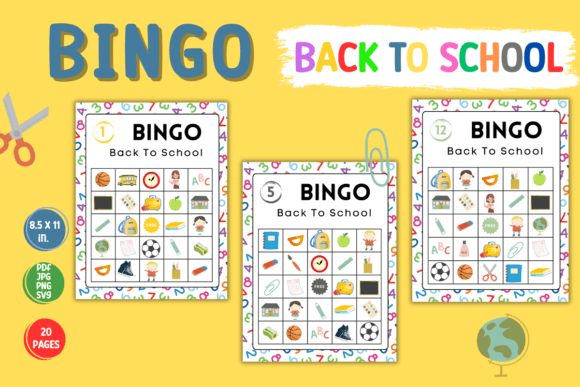
- 20 Unique Bingo Cards (8.5×11): Each card features a different layout of images related to the back-to-school theme, ensuring variety and preventing repetition.
- 35 Unique Calling Cards: These cards contain the images or words that players must match on their bingo cards, adding an element of surprise and engagement.
- More Than 150 “Discs-Buttons” to Cut: These are small, colorful discs that can be used to cover the images on the bingo cards as they are called out, making the game more tactile and visually stimulating.
- JPG, PDF, and Editable Formats: The game is available in multiple file formats, allowing users to customize the content according to their needs. It can be easily edited using platforms like Canva, making it highly adaptable for different educational settings.
The combination of these elements ensures that the game is not only fun but also flexible enough to suit various learning environments, whether at home, in kindergarten, or in a classroom setting.
How to Play the Back to School Bingo Game for Kids
Playing the Back to School Bingo Game for Kids is straightforward and easy to understand, even for young learners. Here's a step-by-step guide to get started:
- Prepare the Materials: Print out the bingo cards and calling cards, and cut out the discs-buttons if necessary. Ensure each player has a card and a set of discs.
- Start the Game: The caller begins by reading out a picture or word from the calling cards. Players then look for the corresponding image on their own bingo card.
- Mark the Card: Once a player finds the matching image, they can either cross it out or cover it with a disc-button. This adds a hands-on element that enhances the learning experience.
- Winning the Game: The first player to mark five pictures in a row—either horizontally, vertically, or diagonally—calls out "Bingo!" and wins the round.
This simple yet effective gameplay encourages children to stay focused, recognize patterns, and develop quick decision-making skills. It also promotes teamwork and friendly competition, which are essential for a positive learning environment.
Advantages of Using the Back to School Bingo Game for Kids
The Back to School Bingo Game for Kids offers numerous benefits that make it an excellent addition to any educational toolkit. Some of the key advantages include:
- Enhanced Learning Through Play: By incorporating educational themes into a game format, children are more likely to retain information and develop a genuine interest in learning.
- Improved Social Skills: Playing in groups allows children to interact with peers, fostering communication, cooperation, and empathy.
- Customizable and Adaptable: The ability to edit and modify the game makes it suitable for different age groups and learning objectives, whether for early childhood education or classroom activities.
- Cost-Effective and Reusable: Since the game can be printed and customized, it provides a long-term solution for educators and parents without the need for expensive materials.
- Encourages Creativity and Critical Thinking: The game’s design encourages children to think critically about what they see and how to match it, promoting cognitive development.
These advantages make the Back to School Bingo Game for Kids a valuable resource for both formal and informal learning environments.
Use Cases for the Back to School Bingo Game for Kids
The versatility of the Back to School Bingo Game for Kids allows it to be used in a wide range of scenarios. Here are some common use cases:
- Kindergarten and Early Childhood Education: Teachers can use the game to reinforce vocabulary, recognition of school-related items, and basic math concepts through visual learning.
- Home Learning Activities: Parents can engage their children in educational play at home, making learning more interactive and enjoyable.
- Classroom Reinforcement: In a school setting, the game can be used as a review tool to help students remember key concepts before exams or assessments.
- Group Projects and Collaborative Learning: The game can be integrated into group activities, encouraging teamwork and shared learning experiences.
- Themed Learning Events: During back-to-school events or educational fairs, the game can serve as an engaging activity that aligns with the theme and purpose of the event.
By tailoring the game to specific learning goals, educators and parents can maximize its potential and ensure that it remains relevant and effective for their audience.
Considerations When Using the Back to School Bingo Game for Kids
While the Back to School Bingo Game for Kids is a valuable educational tool, there are several considerations to keep in mind when implementing it:
- Age Appropriateness: The game should be adapted to the developmental level of the children playing. Younger children may require simpler visuals and shorter game sessions.
- Time Management: To maintain engagement, it’s important to set clear time limits for each round and ensure that the game doesn’t become too lengthy or monotonous.
- Supervision and Guidance: Especially for younger children, adult supervision is recommended to ensure proper understanding of the rules and safe handling of materials.
- Accessibility and Inclusivity: The game should be designed to accommodate children with different abilities, including those with visual or motor skill challenges.
- Feedback and Encouragement: Providing positive reinforcement and constructive feedback can help children feel motivated and confident in their learning journey.
By addressing these considerations, the game can be effectively utilized to support diverse learning needs and promote a positive educational experience.